ART DIRECTING ANIMATION
HEDGING SCOPE
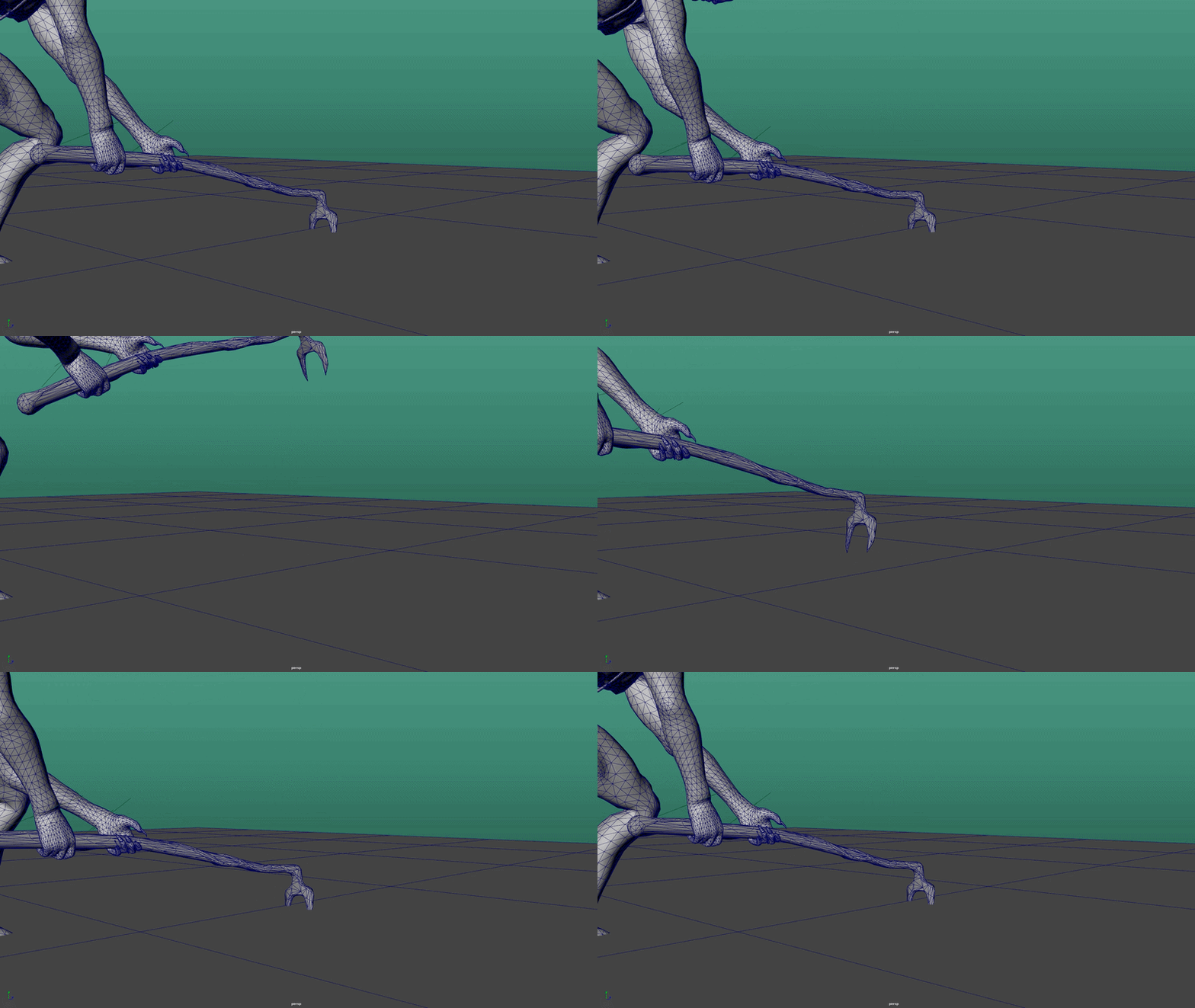
Once you develop an interactable type, scale, & position, re-using one animation for as many as possible (without being repetitive) frees up animation scope for more important tasks.
In this way, environment art & animation must work together to design sets of objects that follow similar rules.
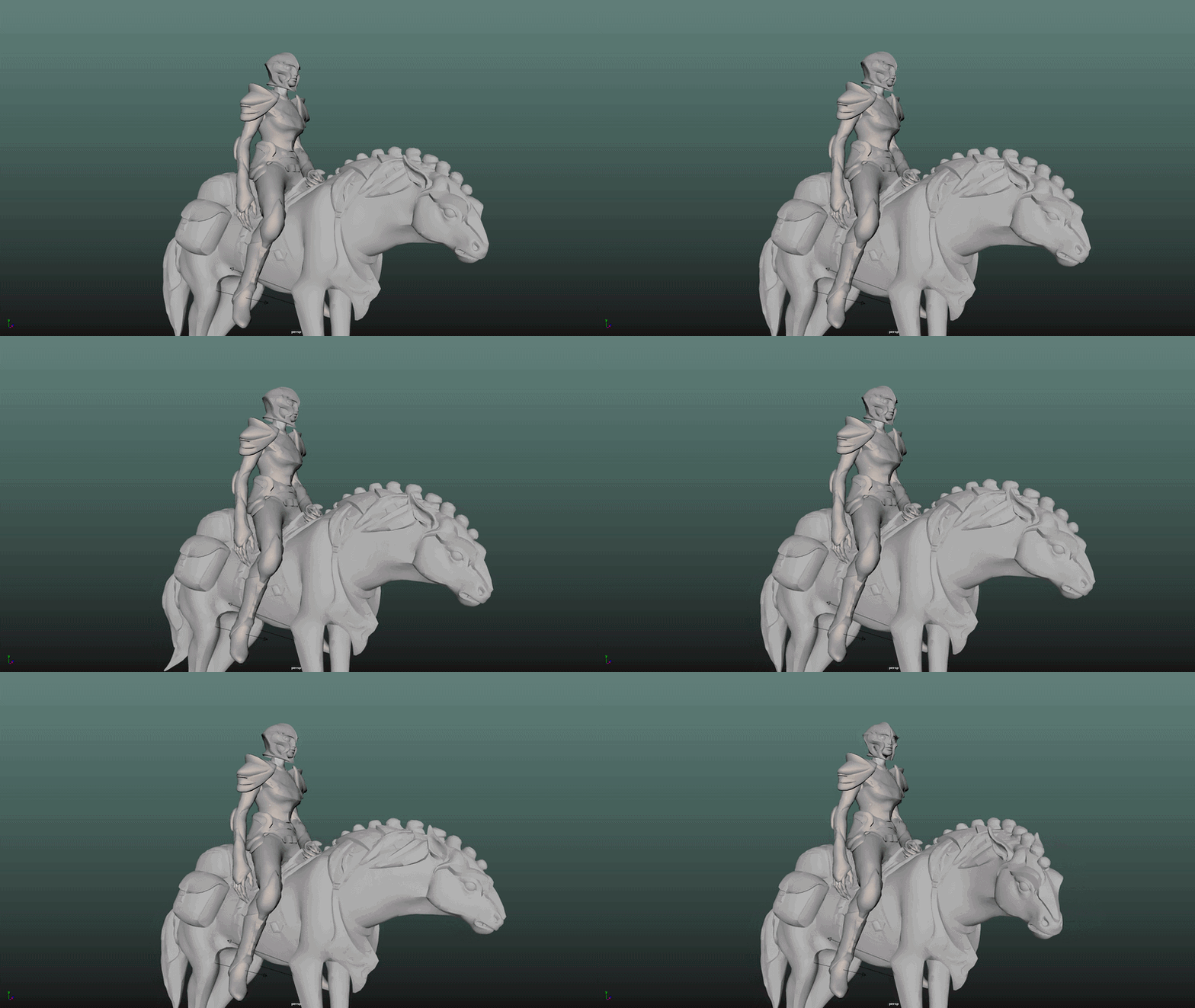
All horse armor must have consistent horn placement where the hand interacts
DEFINING OUR ANTAGONISTS & PROTAGONISTS
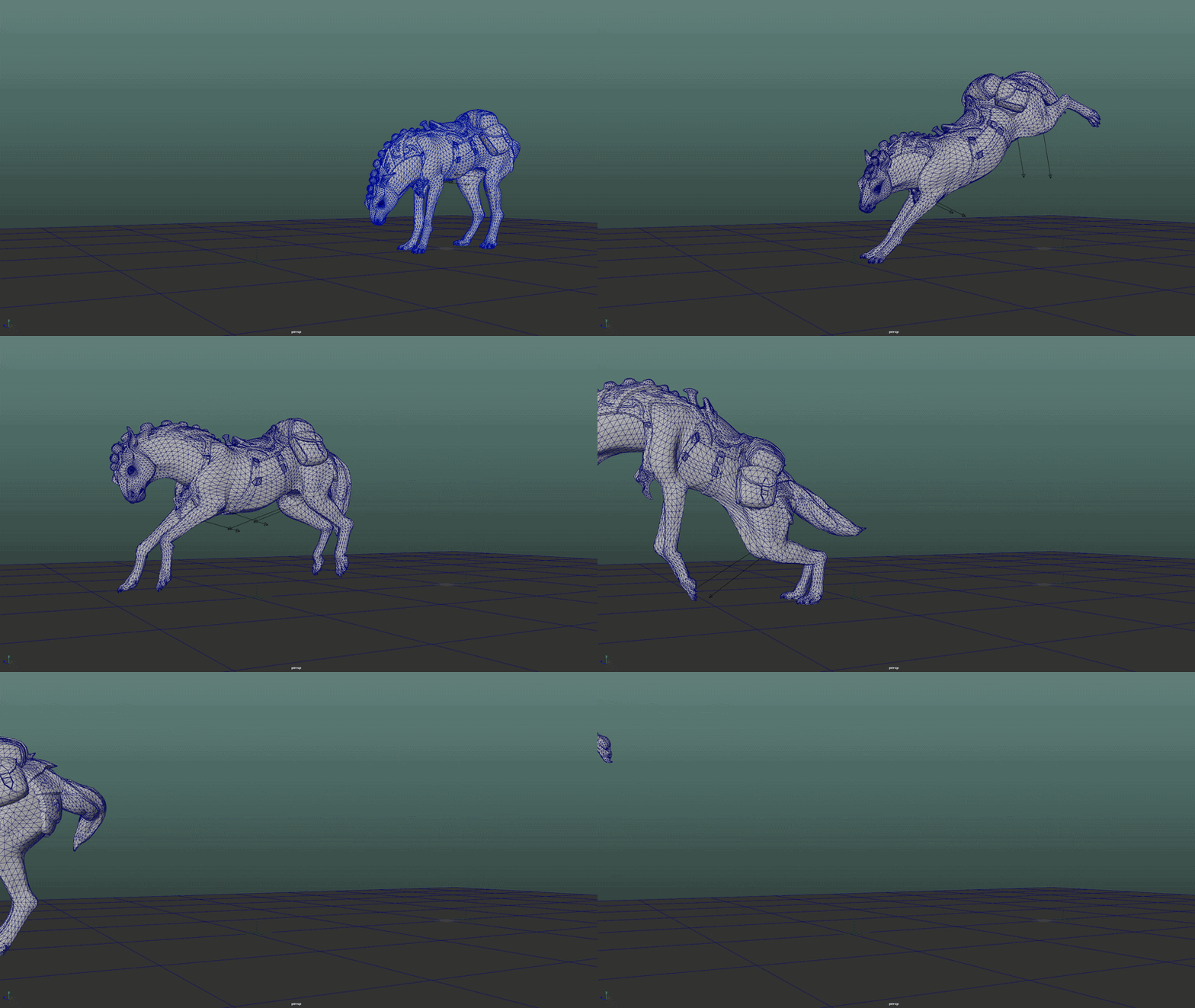
How do our good guys move? Our in between guys? (The line between good & evil runs through every human heart) & Our antagonists?
Are our good guys smooth movers & referencing a specific style of dance.. and our antagonists jerky & hard to predict? Is our antagonist insane & has a small twitch every now & then? This falls back to the DEFINING RULES section of “How to create ICONIC IP”
We must also define our BACKGROUND - or in other words, our average NPC that our hero characters & enemies must stand out against. By making the NPCs move less rapidly or dramatically by contrast, we can support the focal pull of our key elements.
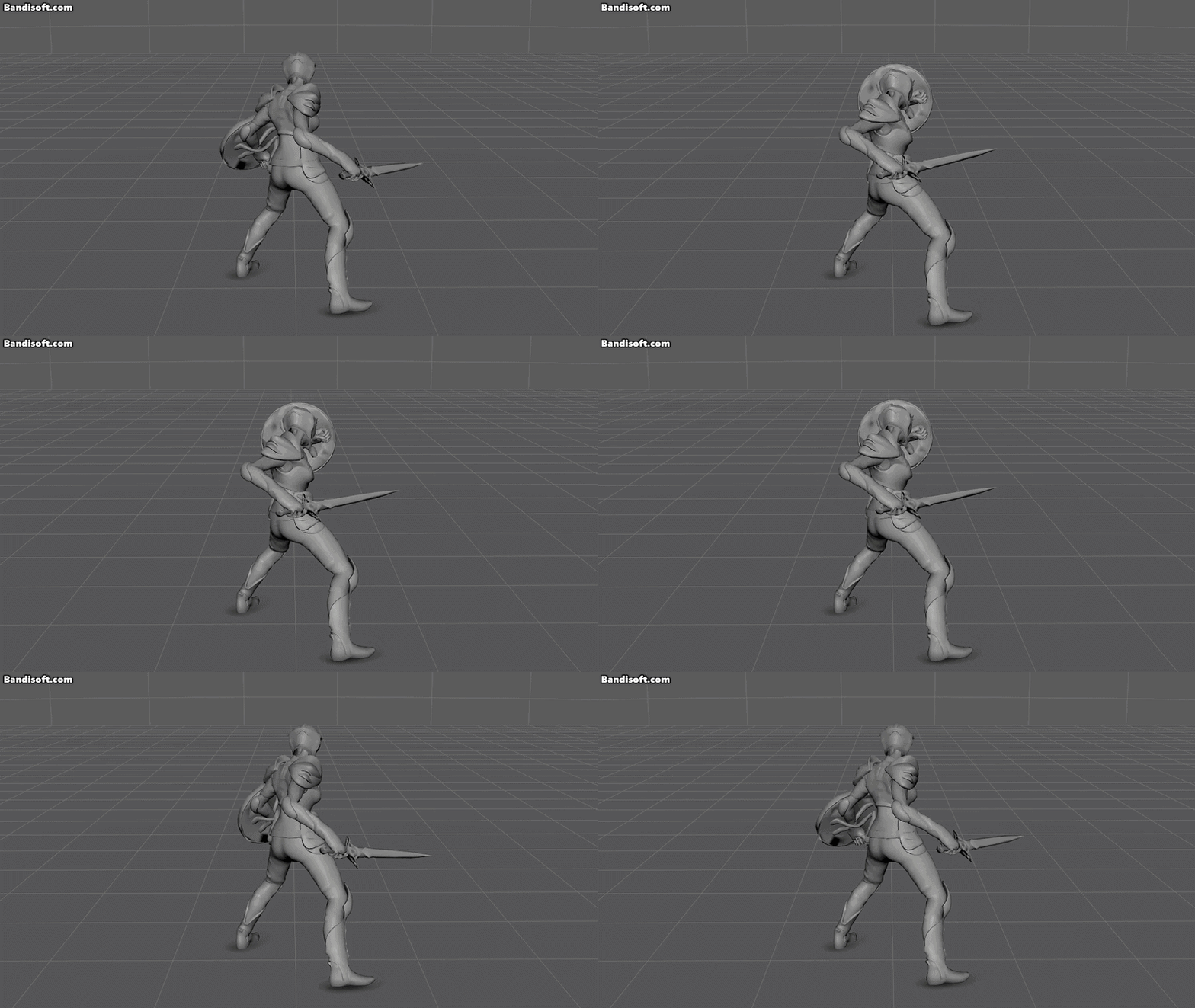
CREATING GAME FEEL
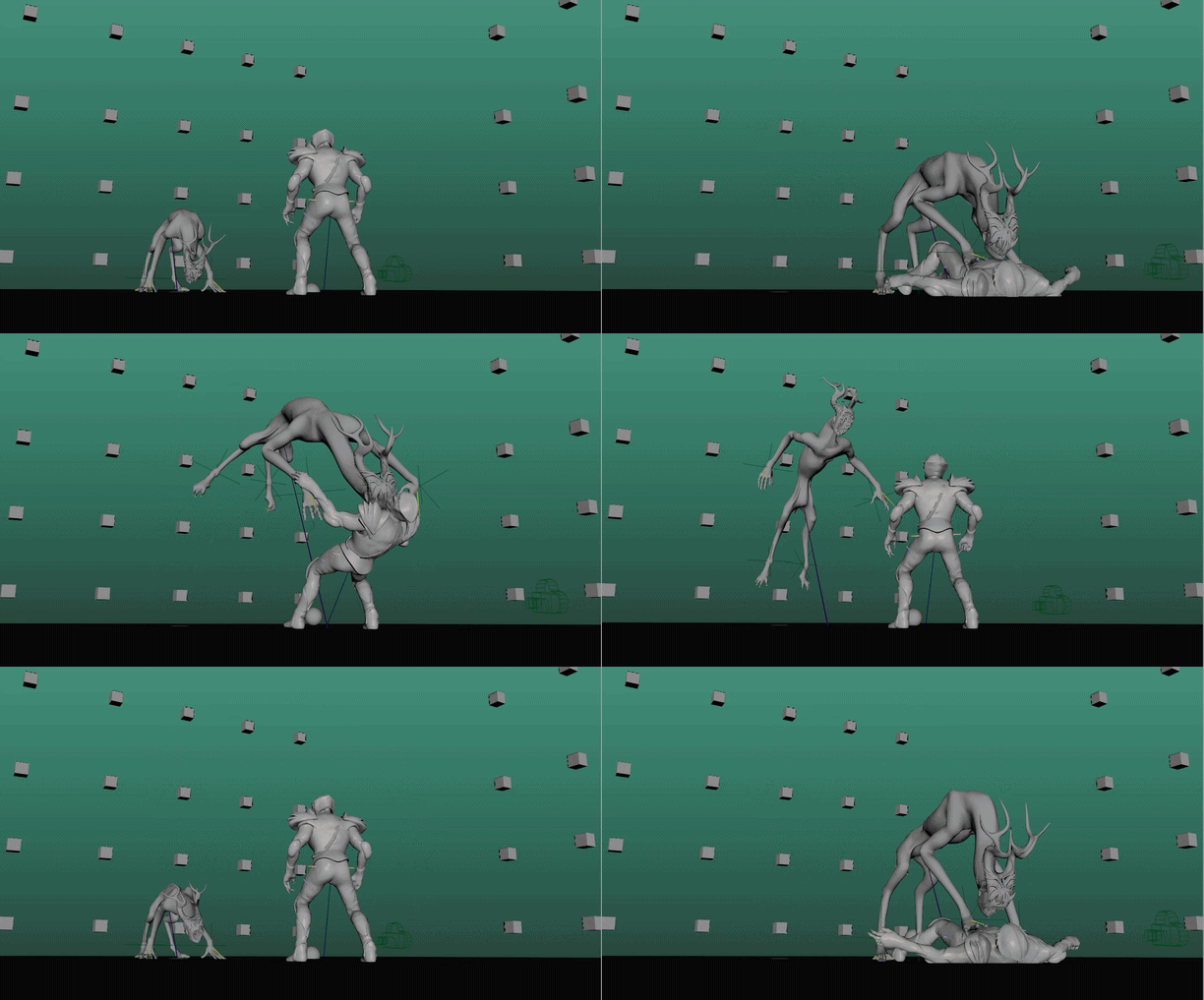
Animations are an important part of providing feedback to the player - making attacks feel satisfying, make farming feel gritty & real etc.
Without the vibration & impact against the earth here, you might not “feel” you’re toiling in the same way.